 DAAWAD

La-talin · Consultancy
Expert advice.
Engineering guidance, cost planning and site supervision — before and during your build.
Structural & engineering review
Bill of quantities and cost planning
Site supervision
Support for business, NGO and government projects
Make informed choices
Ask the right questions before committing.
Technical advice is most useful when the question is clear. Share the drawings, quantities or site concerns you already have, then agree the assessment needed. Recommendations should be based on available evidence and the agreed review scope.
Design and buildability review
Identify gaps between the proposed layout, structure and services. Confirm whether the work is a document review, a site assessment or a more detailed technical investigation.
Cost and quantity clarity
Review the bill of quantities, specifications and exclusions. Comparing the same scope helps explain why two proposals may differ and where assumptions need clarification.
Site observation and reporting
Discuss the frequency of visits, reporting format and responsibilities. A periodic observation service is not the same as full-time supervision; the appointment should state the difference.
Decision desk
A better question leads to a better review.
“Is this good?” is difficult to answer. “Do these proposals include the same scope?” or “What evidence is needed before adding a floor?” gives a technical review a clear purpose.
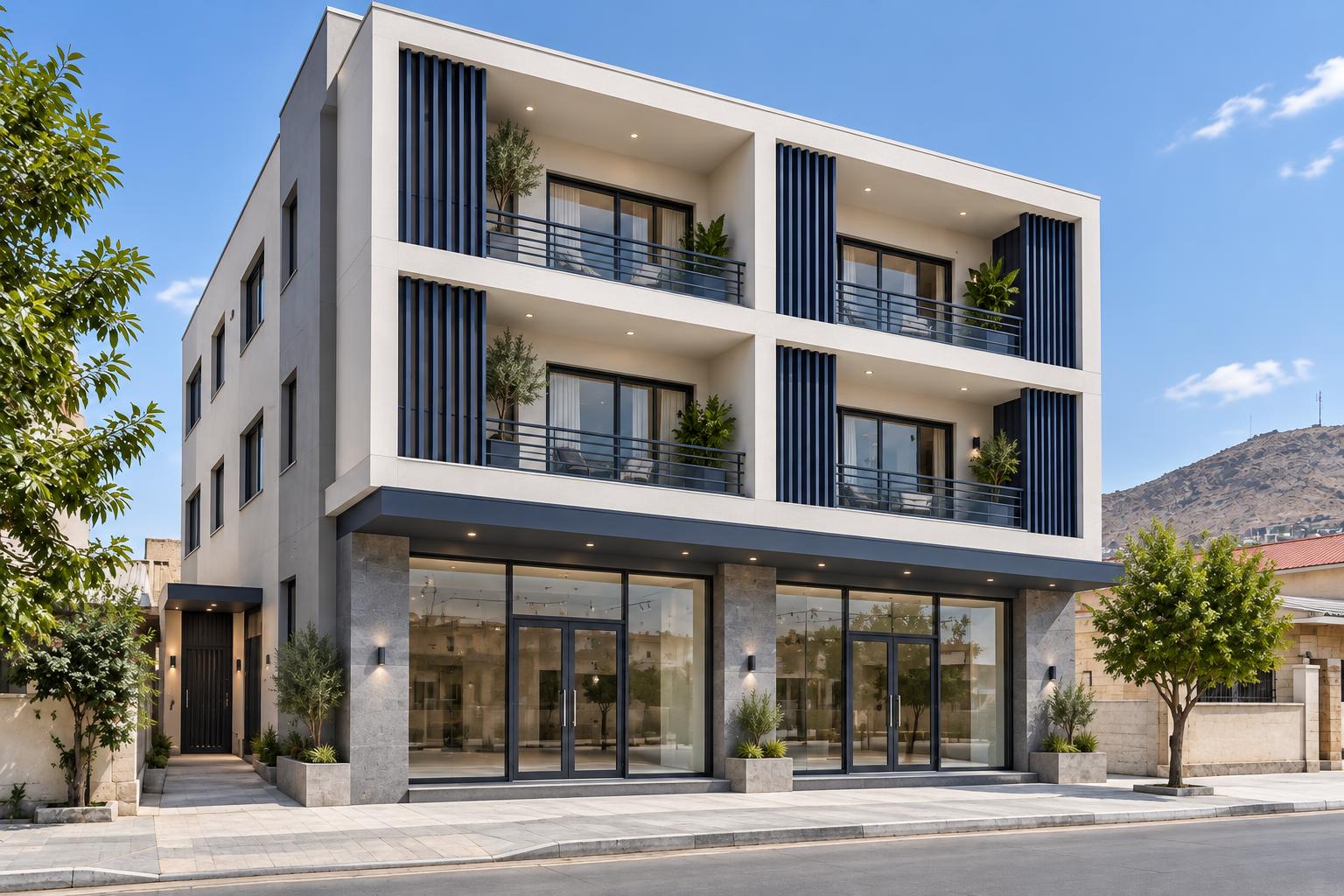
Illustrative architectural concept, not completed DAAWAD work.
01
Price looks low → inspect the scope
A lower total may reflect missing work, different quantities or a different finish specification. Put proposals side by side and identify exclusions, provisional items and owner-supplied materials. Only then can you judge whether the difference is a saving or simply a different package.
Evidence: quantities, specifications and exclusions.
02
Drawings look complete → check coordination
A set of drawings can still contain unanswered relationships between architecture, structure and services. Define which documents the reviewer will examine and what outputs you need. A list of observed issues is different from a redesign or a certification, and the appointment should make that clear.
Evidence: the latest coordinated drawing set.
03
A site looks finished → define the checks
Visual completion does not confirm the condition of hidden work or the performance of services. A review may need records, observations, testing or specialist assessment. Explain the concern and agree what can reasonably be concluded from the evidence available.
Evidence: records, access and agreed observations.
04
A change seems small → trace its effects
Moving a wall, changing a fixture or adding an opening may affect more than one trade. Review the relationship to structure, services, quantities and programme before authorising it. A focused technical question can reveal the knock-on effects that an attractive sketch leaves out.
Evidence: the proposed change and affected documents.
The value of advice lies in making a decision clearer, not creating certainty where the evidence is missing. Agree the question, the review boundary and the expected output before commissioning consultancy.
Send a review questionQuestions from the decision desk
Examples of focused consultancy requests
Illustrative scenarios with AI-generated concept images. These are not completed DAAWAD projects, approved plans or confirmed quotations.

Technical review scenario
A proposed future upper floor
An owner wants to understand whether expansion can be considered. Existing structure and ground conditions need qualified assessment; appearance alone cannot establish capacity.
Discuss this ideaCost review scenario
Comparing commercial proposals
A business has competing prices. Compare quantities, materials and exclusions before deciding whether the proposals cover equivalent work.
Discuss this idea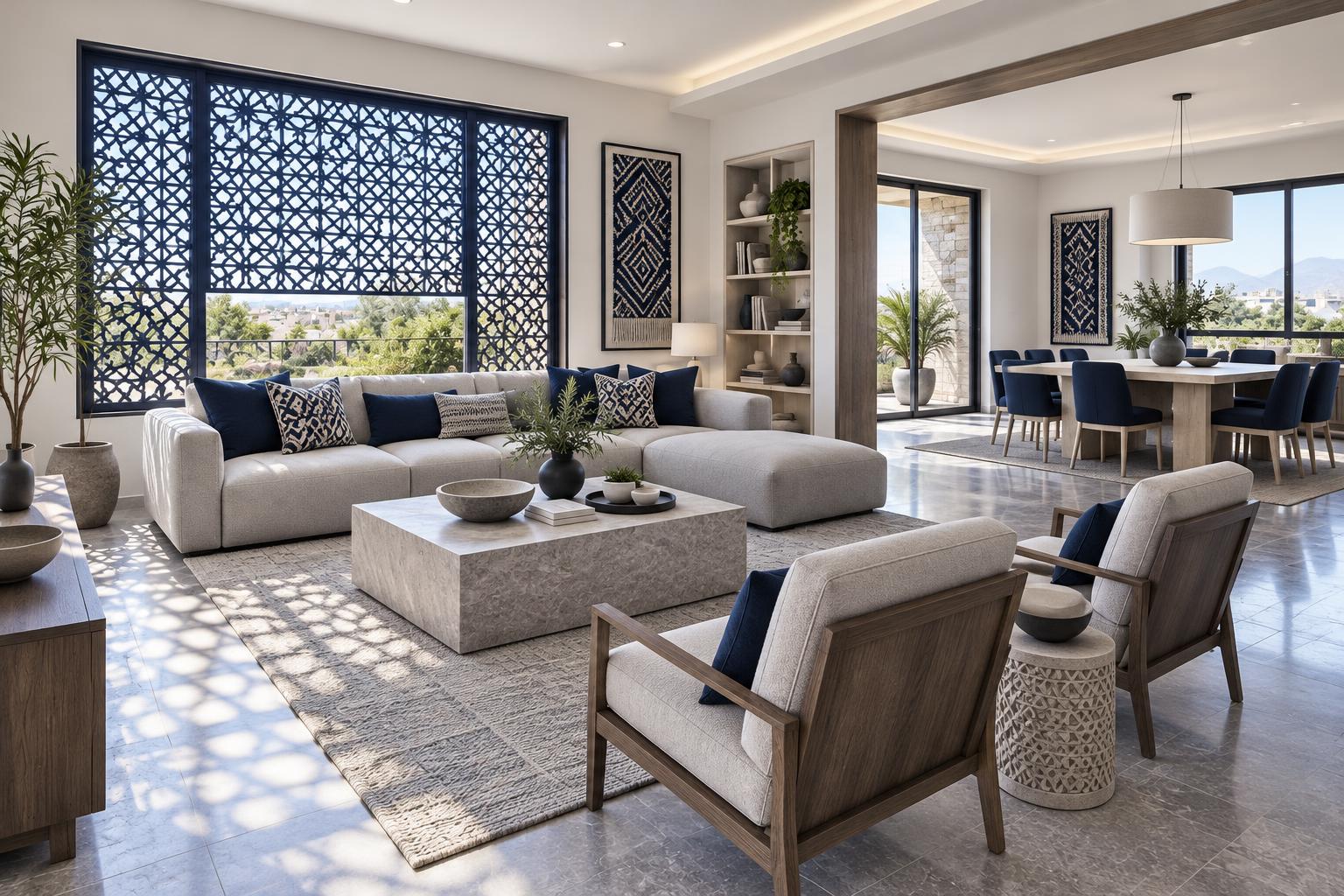
Specification review scenario
Checking a finishing brief
An owner needs clarity on flooring, lighting and fixtures. A coordinated specification can reduce ambiguity before materials are ordered.
Discuss this ideaCan you review work designed by another team?
Ask about a defined review appointment and provide the available drawings and permissions. Clarify what can be assessed and what remains the original designer's responsibility.
What documents should I send?
Share the latest drawings, bill of quantities, specifications and relevant photographs. Include the decision you need help making so the review can stay focused.
Does a visual review certify structural safety?
No. Structural conclusions may require calculations, records, testing and a site inspection by qualified professionals. Agree the necessary assessment instead of treating a photograph as proof.